Ramadan & dialysis
Living through Ramadan on dialysis, with peace of mind
During Ramadan, our sessions are adapted in consultation with your nephrologist. Whether you fast or not, we organise your care to respect your choice and your health.
Important — individualised medical decision
Fasting during Ramadan while on dialysis is not recommended for all patients. Book an appointment with your nephrologist before Ramadan begins for a personalised assessment. No information on this page is a substitute for medical advice.
Our principles
Three commitments during Ramadan
Individualised medical decision
Fasting during Ramadan is a decision that belongs to you — in consultation with your nephrologist. Some patients can fast, others cannot. We respect your choice and adapt your care accordingly.
First session at 4 a.m.
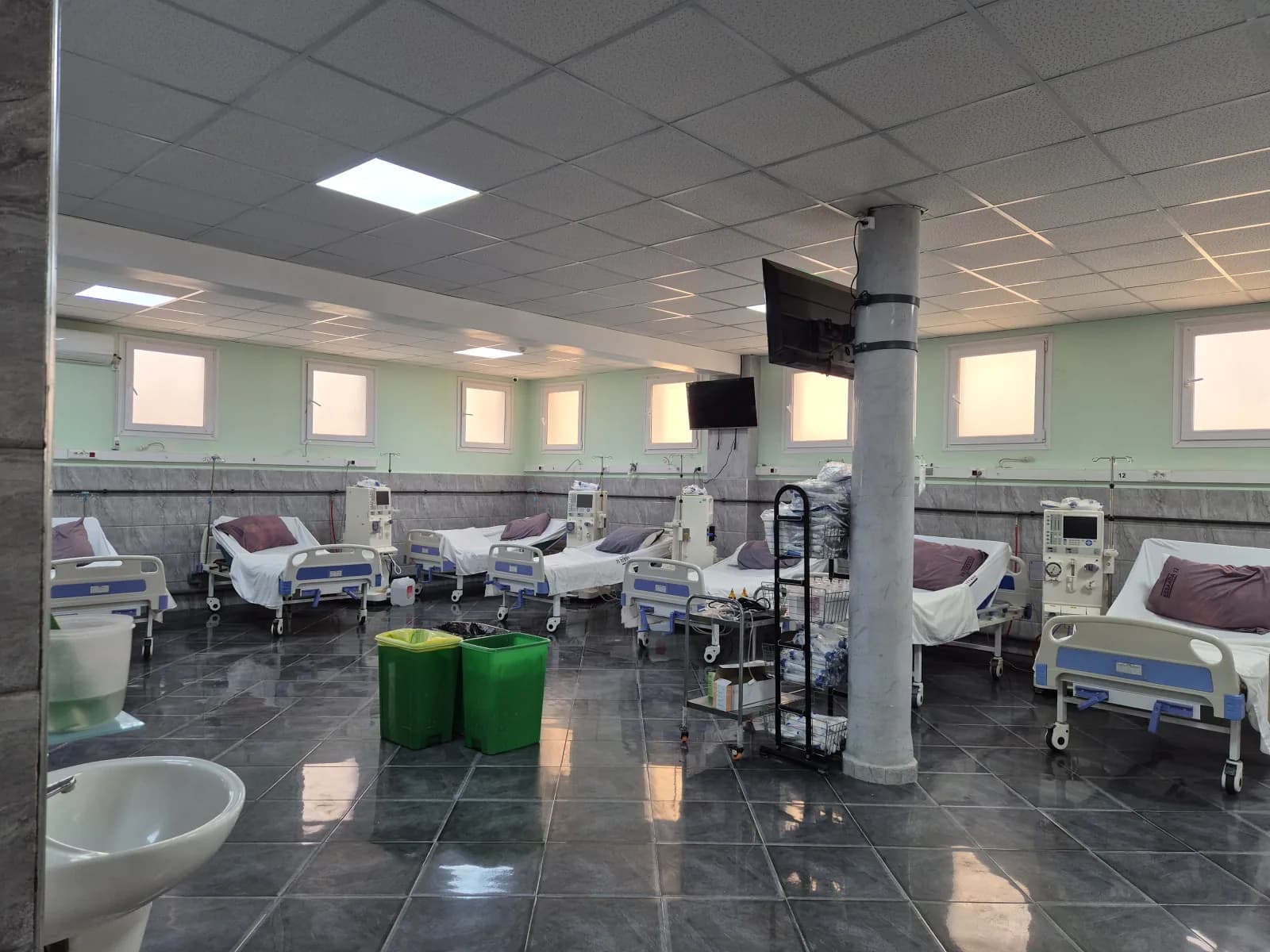
During Ramadan, we open a single set of slots with a first session at 4 a.m., before suhoor. No session after iftar, no night-time slot. The schedule is adjusted in consultation with your nephrologist.
Heightened vigilance
Our staff are briefed: closer monitoring of blood pressure, hydration and fluid balance. Any warning sign = breaking the fast as recommended by the doctor.
Typical schedule
Sessions during Ramadan
The exact schedule is communicated about 3 weeks before Ramadan begins.
- First session at 4 a.m. — before suhoor, for all patients (fasting or not).
- No session after iftar — and no night-time slot. The remaining slots of the day stay aligned with the usual pace.
Book an appointment before Ramadan
We recommend seeing your nephrologist at least 2 weeks before Ramadan begins to assess your fitness to fast, adjust your medication and arrange your adapted sessions.
Book an appointmentOr contact us directly on (+213) 48 72 25 70 or via WhatsApp.
Nutrition
Eating well during Ramadan
If your nephrologist allows you to fast, the way you organise your meals becomes decisive. The golden rule: three structured meals rather than continuous snacking, particular vigilance over hydration and salt, and measured choices when it comes to oriental sweets.
Three structured meals
Iftar, a light dinner in the evening, a substantial suhoor. Avoid continuous snacking: that is what protects your blood sugar and your interdialytic weight gain.
Controlled hydration
Your fluid allowance stays the same as outside Ramadan. Spread it between iftar and suhoor. No fizzy drinks, little very salty food.
Measured dates and sweets
Two dates at iftar, a balanced chorba, half a portion of pastry rather than a parade of them. Mind the potassium in dates and the phosphorus in sweets.
Break the fast without hesitation
Unusual fatigue, faintness, signs of hypo- or hyperglycaemia: break the fast immediately. Religious law permits it for medical reasons.
The complete guide
Iftar, suhoor, dates, chorba, pastries, hydration, blood sugar monitoring: find all the practical advice in our dedicated guide.
Read the complete guideRamadan FAQ
Frequently asked questions
Can I fast while on dialysis?
This decision belongs to your nephrologist. For many dialysis patients, fasting remains possible provided there is close monitoring. Others cannot fast for medical reasons. Come for a consultation before Ramadan to take stock.
What should I do about my medication?
Your nephrologist adjusts when you take it (before iftar, between iftar and suhoor, or after suhoor depending on the medication). Never change a prescription on your own initiative. List all your treatments and let's discuss them together.
How do I manage hydration and weight gain?
This is the critical point. Between iftar and suhoor, strictly respect your permitted fluid volume (usually 500 ml + residual urine output). Avoid very salty food when breaking the fast. Interdialytic weight gain remains the limit not to be exceeded.
What should I do if I feel faint or my blood pressure drops?
Break the fast immediately — religious law permits breaking it for medical reasons. Call us as soon as possible. In an emergency, go to the nearest emergency department.
Is coffee served during sessions in Ramadan?
The single 4 a.m. session takes place before suhoor, therefore before the fast. Coffee can be served at suhoor at the end of the session, depending on your wishes and your clinical condition.
Let's talk
Your questions deserve a personal answer
Every patient is unique. Let's talk it through together — before, during and after Ramadan.